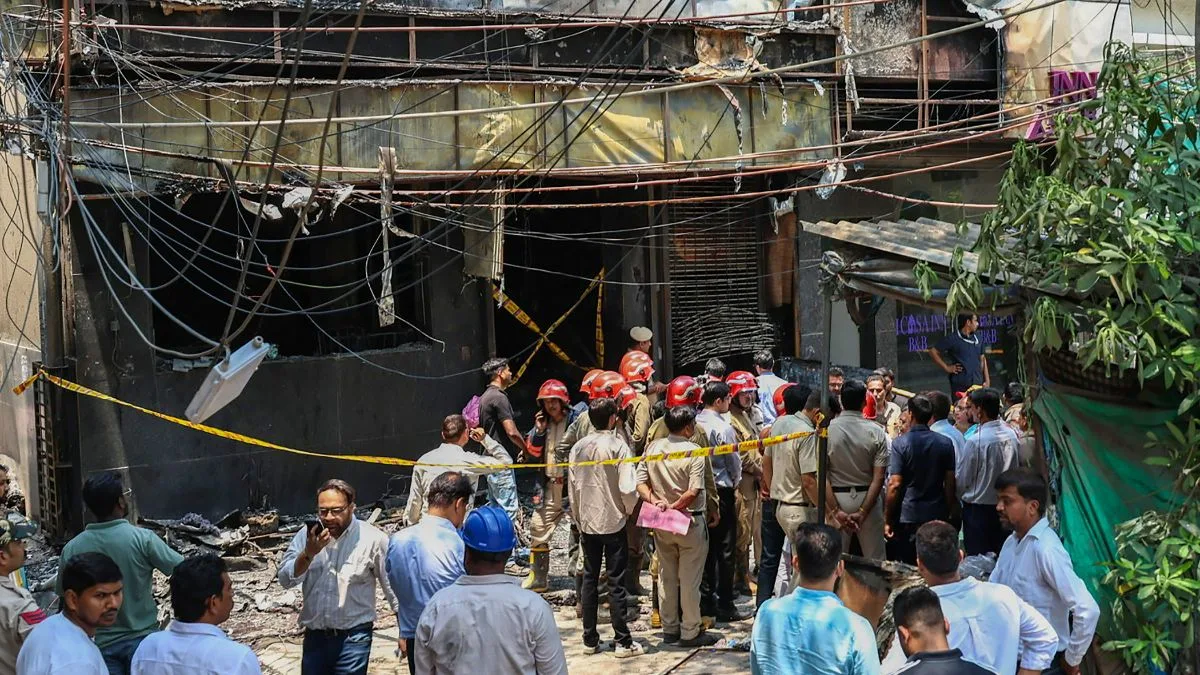
India’s emergence as a healthcare destination for South Asia is often measured in numbers: foreign patients treated, hospitals accredited, surgeries performed and revenues earned. Yet the true test of a healthcare system extends beyond operating theatres and specialist wards. It also encompasses the safety, dignity and welfare of those who arrive seeking treatment. A tragic fire in a Delhi neighbourhood has served as a grim reminder that the infrastructure surrounding healthcare can be as important as healthcare itself.
For decades, patients from Bangladesh, Nepal, Bhutan, Afghanistan and other countries have travelled to Indian cities in search of medical expertise that is either unavailable or unaffordable at home. Their journeys do not end at the hospital gate. The visitors require accommodation, transport, translators, attendants and a host of support services during what is often an emotionally and financially draining period. Around major hospitals, an informal ecosystem has emerged to meet these needs. The problem is that this ecosystem has expanded much faster than regulation. Buildings designed for one purpose frequently evolve into another.
Advertisement
Residential premises become guesthouses, commercial spaces become lodging facilities and temporary arrangements gradually turn into permanent businesses. In many cases, oversight struggles to keep pace. The result is a patchwork of facilities operating in a grey zone between necessity and legality. When disasters occur, investigations typically focus on immediate causes: faulty wiring, blocked exits, inadequate fire equipment or lapses in inspection. These factors matter. Yet they are symptoms of a larger institutional failure. Urban governance in India has long suffered from fragmented responsibility, with municipal authorities, licensing agencies, fire departments and police administrations often working in silos.
Compliance becomes a paperwork exercise rather than a culture of safety. It must be stressed though that violations cannot take place without the active connivance of local police and municipal authorities, who must be acted against forthwith, without being allowed to avail of the delays permitted by a labyrinthine judicial process. In the Delhi case, it is inconceivable that wholesale violations of rules could have taken place without the knowledge of the local police station, and the municipal authorities. Unless heads are seen to roll, and immediately, and unless all such establishments are screened immediately, these deaths will be of no consequence.
The challenge is not unique to Delhi. Similar clusters of accommodation exist in Kolkata, Chennai, Hyderabad, Mumbai and Bengaluru. Policymakers should view them as an integral component of healthcare infrastructure rather than an afterthought. Registration, periodic safety audits, transparent licensing and clearly defined accountability mechanisms are no longer optional. The deeper lesson is that healthcare is a chain whose strength is determined by its weakest link.
Surgical excellence and world-class hospitals lose some of their meaning if those seeking treatment remain exposed to avoidable dangers outside the ward. As India strengthens its position as a regional medical destination, it must ensure that care does not stop at the hospital door. The promise of healing must be matched by the assurance of safety